
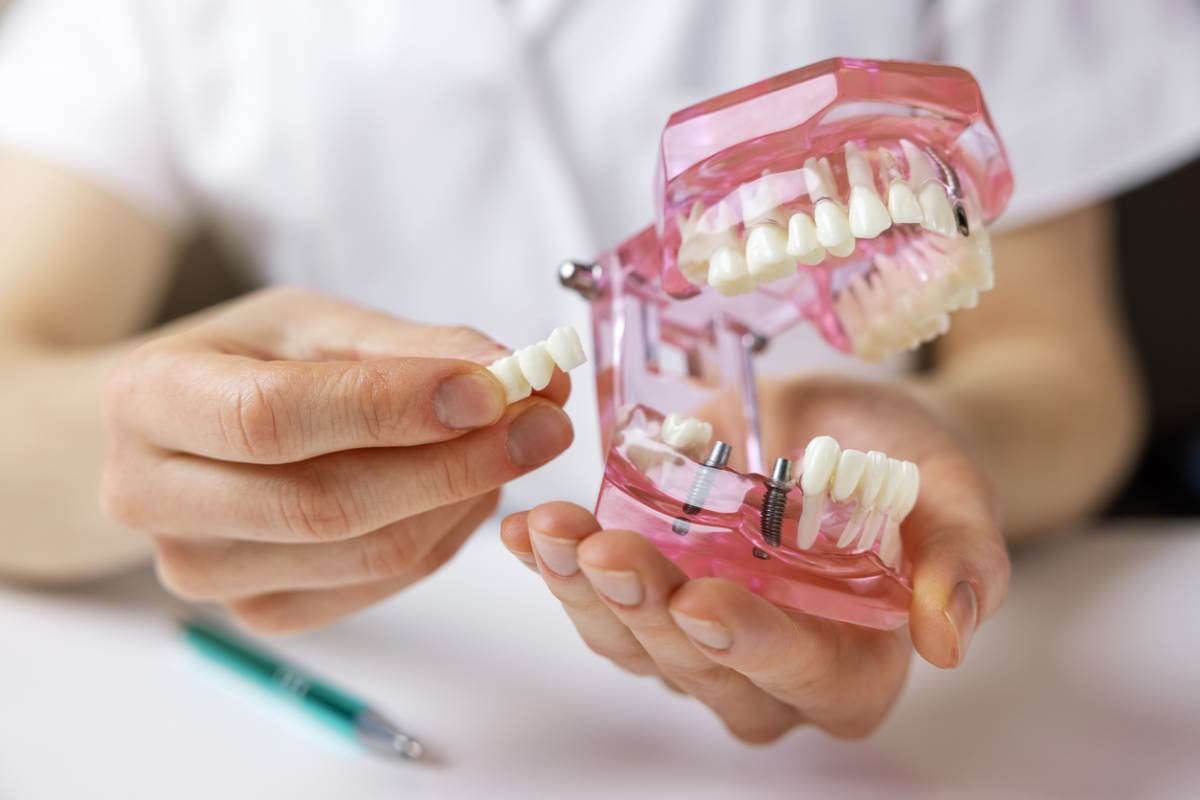
Dental bridges are a type of restoration used to replace one or multiple missing teeth in a row. Patients who are going to have their first restoration often ask: Will dental bridges limit my dietary options? In this article, we address this question and discuss foods to avoid with bridges, as well as other bridge care tips.
Will Dental Bridges Limit My Dietary Options?
Typically, dental bridges do not significantly limit dietary options. However, like most artificial dental restorations, they do require you to be more mindful of the foods you choose. In the majority of cases, foods and drinks that are not recommended when having dental bridges are similar to those that are not beneficial to your natural teeth as well. Let us look at the food it is advisable to avoid when having dental bridges:
Crunchy and Hard Foods
Crunchy and hard foods that require a lot of biting and chewing force can cause the bridge to get dislocated or break. Also, foods such as crackers are more likely to get stuck under the bridge or create micro scratches on its surface, leading to discoloration.
Sticky Foods
Sticky foods, such as toffee or caramel, are also not recommended, as they might cause the bridge to dislocate.
Staining Foods and Beverages
Avoiding staining foods and drinks can help you prevent staining of your bridge. The examples of such foods and drinks include:
- Red wine, black coffee, and tea
- Beetroot and carrots
- Brightly colored species, such as curry and red paprika
- Foods and drinks containing artificial dye (soda, candies, etc.)
If you consume any of these foods and drinks, we recommend brushing your teeth or rinsing your mouth immediately after the meal to prevent coloring particles from lingering on your natural teeth and artificial dental restorations.
Sugary Foods and Beverages
Sugar promotes bacterial proliferation in the mouth, which can destroy the teeth supporting your bridge and cause infection of the surrounding gum tissue (gum disease). Often, if the teeth supporting the bridge get infected, the bridge will have to be removed to treat the teeth and then replaced. Similarly, in some cases, a bridge has to be removed to treat severe cases of gum disease.
Other Dental Bridge Care Tips
In addition to avoiding the foods we listed above, we recommend following several other simple but essential dental bridge care tips:
- Prioritize your oral hygiene to avoid infections of the teeth that support your bridges and gum disease. Brush your teeth twice a day for two full minutes with fluoride toothpaste and floss every evening. Pay special attention to flossing under the bridge. You can utilize specially designed floss threaders or add a water flosser to your routine to streamline the process.
- Avoid abrasive toothpastes (for example, those containing soda or charcoal) and whitening products, as they can damage the material your bridge is made of, leading to discoloration and staining.
- Protect your bridge from physical damage by wearing a mouthguard when playing sports and avoiding such habits as using your teeth as tools and chewing on hard objects.
- If you notice signs of bruxism—involuntary teeth grinding and jaw clenching, address the issue with your dentist. Our bite is extremely strong, and constant teeth grinding and clenching put enormous pressure on our natural teeth and dental restorations, which they are not designed to withstand.
Get High-quality Dental Bridges at Highland Smiles
If you are considering replacing your missing teeth with dental bridges, do not hesitate to make an appointment with a reliable dentist at the Highland Smiles dental office. Our specialists utilize high-quality materials and modern methods to deliver the best results to our clients.
 Request Appointment