
Dental Bridges

Table of Contents
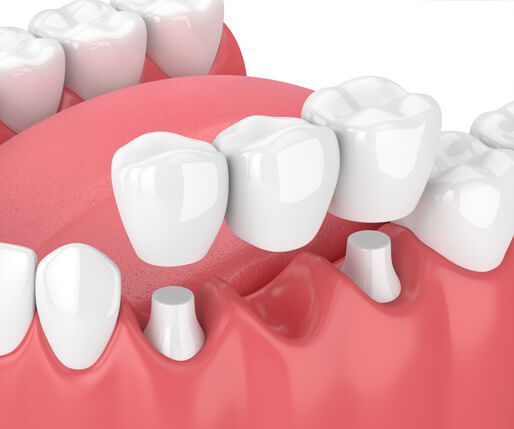
What Are Dental Bridges?
What Is the Process for Getting Dental Bridges?
Step 1: The Consultation
Step 2: Preparing the Abutment Teeth
Step 3: Impressions
Step 4: Placing and Cementing the Bridge


Is a Dental Bridge Right for Me?
- Want a more cost-effective tooth replacement
- Are missing one or several teeth
- Want a faster process than dental implants
- Have insufficient jawbone density for implants
- Dental Implants: Longest-lasting tooth replacement but a longer process.
- Dental Crowns: Suitable for teeth that are damaged but not missing.
- Dentures (Partial or Full): Best for patients with a greater number of missing teeth.
How Long Do Dental Bridges Last?
Dental bridges can last for 5 to 15 years. The type and material of the bridge play a large role, but so does your dental health. Good oral hygiene and routine dental visits can help keep your bridges in better shape. If your bridges become damaged or worn over time, your dentist can remove them for a replacement.
Frequently Asked Questions
How much do dental bridges cost?
The cost of a dental bridge depends on the type of bridge, the number of teeth it replaces, materials, and the complexity of the work. For example, the cost of a traditional bridge ranges from $2,000 to $5,200, while a Maryland bridge costs between $1,500 and $2,500, and implant-supported bridges cost between $4,000 and $16,000.
Are dental bridges covered by insurance?
In the majority of cases, dental bridges are classified as major restorative work and are covered by insurance. Typically, insurance pays 40% to 50% of the total bridge cost, but the coverage also depends on deductibles and yearly maximums, as well as your specific plan.
Can a dental bridge be repaired or replaced?
A broken or worn-out dental bridge can be repaired or replaced. Minor chips or cracks can be restored with resin composite. If the bridge becomes loose due to cement failure, the bridge can be rebonded. However, large fractures, deep cracks, or broken metal frameworks typically require replacement of the bridge. Additionally, whether or not the bridge can be restored or replaced depends on the health of the supporting teeth. If cavities develop on the supporting teeth, the bridge must be removed to treat the decay. If the supporting teeth are significantly weakened by infection or worn out, the bridge might have to be removed permanently.
Is a dental bridge better than a dental implant or denture?
In general, dental implants are considered superior in function and comfort to dental bridges, but bridges are an excellent solution for people who can not or do not want to have dental implants. Dental bridges effectively restore the appearance of your smile, chewing function, and, being permanently affixed in the mouth, provide superior stability compared to removable dentures.
How long does it take to get a dental bridge?
Generally, the entire process of getting a dental implant takes 2 to 4 weeks and 2 to 3 visits to a dental office. Firstly, your doctor will examine your oral health and make impressions or scans of your teeth and bite. Then, your custom bridge will be made in a dental lab, which typically takes 1 to 2 weeks, depending on the workload of the lab. Finally, your new bridge will be fitted and bonded to the supporting teeth.
What are the different types of dental bridges?
There are 4 main types of dental bridges:
- Traditional bridges (supported by 2 adjacent teeth)
- Cantilever bridges (supported by only one adjacent tooth)
- Maryland bridges (supported by a metal or porcelain framework bonded to the backs of the adjacent teeth instead of crowns)
- Implant-supported bridges (supported by implants surgically inserted into the jawbone)
Do dental bridges damage adjacent teeth?
Dental bridges do not damage adjacent teeth. However, since the adjacent teeth support the bridge, they sustain more chewing pressure and can wear out faster. However, a proper dental hygiene routine, good lifestyle and dietary habits, and regular dental visits help preserve the health of the supporting teeth.
How do I care for dental bridges?
To properly care for your dental bridge and the supporting teeth, adhere to the following rules:
- Brush your teeth twice a day for two full minutes
- Use fluoride toothpaste
- Floss thoroughly every evening
- Use a special floss threader to clean under the bridge
- Add a water flosser to your evening routine to help dislodge food residue and plaque that collect under the bridge
- Avoid hard, crunchy, and sticky foods
- Abstain from smoking
 Request Appointment