
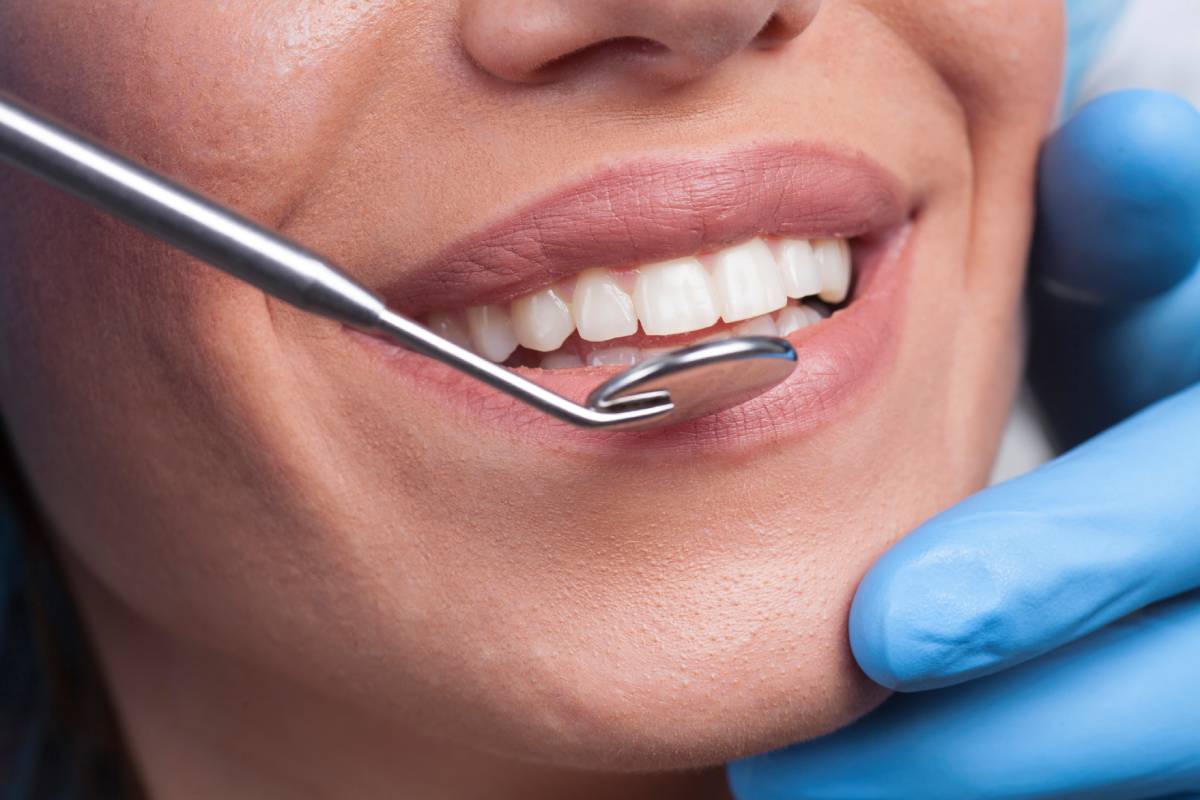
Dental fillings are among the most common procedures performed in dental offices. In this article, we answer the question our clients often ask: Can I eat right after a dental filling? Additionally, we provide tips on post-dental-filling care.
Can I Eat Right After a Dental Filling?
Modern resin composite dental fillings harden instantly under a blue light used by your dentist during the procedure. Therefore, technically, you can eat right away after the procedure.
However, dental fillings are performed using a local anesthetic to block pain and reduce discomfort for the patient. This anesthetic numbs the procedure site and the surrounding area, sometimes including the tongue.
The numbness in the mouth from the anesthetic can persist for several hours after the procedure, making chewing difficult and increasing the risk of biting your tongue, lips, or cheeks. Also, you might accidentally bite down too hard on the newly treated tooth, which can cause sensitivity. For this reason, we recommend waiting until the anesthetic wears off before eating.
Additionally, try chewing on the opposite side of your mouth for the first 1 to 2 days after getting a dental filling to help prevent sensitivity and allow your new filling to settle.
What Foods Can I Eat After a Dental Filling?
We recommend adjusting your diet slightly in the first 2 to 3 days after a dental filling procedure to avoid complications:
- Avoid very hot or cold foods and beverages to prevent tooth sensitivity
- Opt for soft foods that are easy to chew and that do not require biting on them with force
- Avoid sticky foods that can dislodge the filling, and crunchy foods
- Limit sugary and acidic foods to prevent bacterial growth in the mouth
Other Post-Dental Filling Care Tips
There are three main points we recommend paying attention to after your dental filling procedure:
Oral Hygiene
Paying close attention to your oral hygiene is essential after any invasive dental procedure to prevent infection and irritation at the procedure site. We recommend following these steps:
- Brush your teeth twice a day with fluoride or desensitizing toothpaste. Spend two full minutes brushing your teeth, paying special attention to hard-to-reach areas, but be gentle when cleaning the procedure area.
- Floss thoroughly every evening.
- Rinse your mouth with a saltwater solution after meals for the first couple of days after the procedure to reduce bacterial growth.
Managing Post-Filling Sensitivity
As we mentioned before, temporary tooth sensitivity after a dental filling is normal and can remain for a couple of days. We recommend being gentle when brushing and flossing at the procedure site, using a desensitizing toothpaste, and avoiding hot and cold foods and beverages.
If sensitivity persists beyond the first couple of days after the procedure or becomes more severe, contact your dentist, as this may indicate the tooth is not sealed correctly.
Monitor Your Bite
It is normal for your new dental filling to feel slightly alien in the mouth for the first couple of days after the procedure. However, if the feeling persists and the filling feels too high or uncomfortable when you close your mouth, arrange a follow-up visit with your dentist. In some cases, it is necessary to file down the filling to improve bite comfort and prevent complications caused by improper alignment.
Get Dental Fillings at Highland Smiles
If you notice signs of cavities in your teeth, do not hesitate to make an appointment at the Highland Smiles dental office. Our specialists use modern diagnostics and treatment methods, along with high-quality materials, to deliver reliable results to each client. We are looking forward to your visit.
 Request Appointment